
Reduces winter heat loss through walls
Brick veneer walls without insulation lose heat rapidly in Don Valley’s cold winters. Cavity insulation slows this heat transfer, keeping your living spaces warmer and cutting heating bills.
Don Valley
Cavity wall insulation for brick veneer homes in Don Valley cuts winter heat loss and summer heat gain through external walls. We inspect your wall type and moisture levels, then install insulation through small holes that are patched afterwards.
Share your details and Expert Insulation Melbourne will contact you about Cavity Wall Insulation in Don Valley.
Cavity wall insulation fills the gap between the inner and outer leaf of brick veneer walls with insulating material. In Don Valley’s cooler climate, this stops heat escaping through walls in winter and reduces cold draughts. The process starts with checking that your wall type is suitable and that there are no moisture issues that could trap dampness inside the cavity.
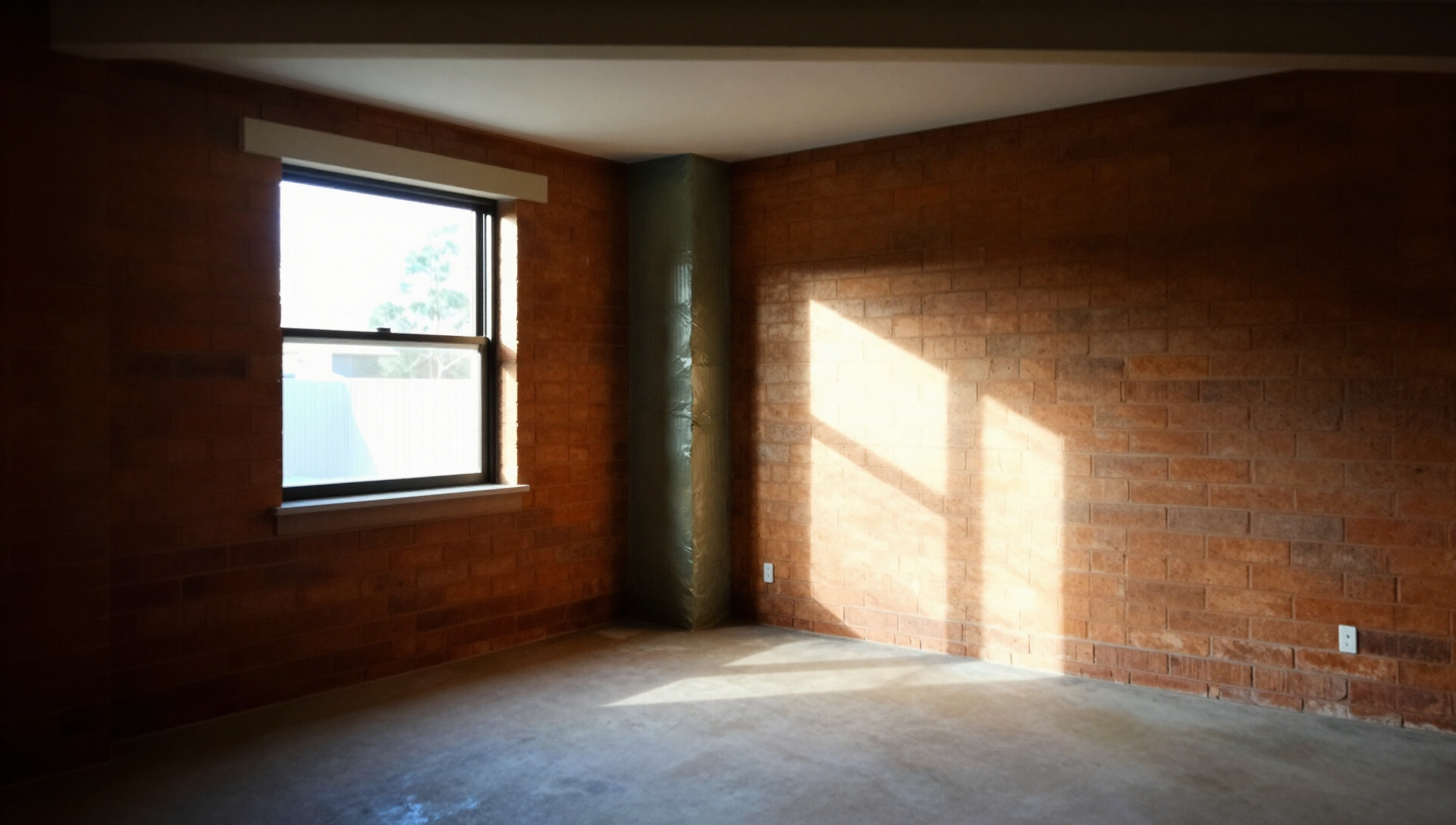
Homes in Don Valley often have brick veneer construction, which leaves a hollow space between the outer brick and inner wall. Without insulation, this cavity allows heat to escape in winter and cold air to enter, making your heating system work harder. Filling the cavity improves thermal resistance and reduces energy costs.
Brick veneer walls without insulation lose heat rapidly in Don Valley’s cold winters. Cavity insulation slows this heat transfer, keeping your living spaces warmer and cutting heating bills.
Gaps in brickwork and around windows let cold air in. Cavity insulation acts as a barrier, reducing draughts and improving comfort without blocking required ventilation.
Insulated cavities moderate indoor temperatures, so your home stays warmer in winter and cooler in summer without relying solely on heating and cooling systems.
The process uses small holes drilled into the mortar between bricks, so there’s no need to remove internal linings or external cladding. Holes are patched to match your brickwork afterwards.
Most Don Valley homes built with brick veneer have a suitable cavity for insulation. We confirm this during the initial inspection before proceeding.
A moisture assessment ensures the cavity is dry before installation. Properly installed insulation helps manage humidity levels, reducing the risk of internal condensation.
The installation follows a structured approach to ensure your walls are suitable and the insulation performs as intended. Each step is designed to minimise disruption and maximise thermal efficiency.
We examine your wall type, cavity width and condition. A moisture test confirms the cavity is dry, as dampness can cause issues if trapped. If old insulation is present and may contain asbestos, work stops until a qualified assessor inspects it.
Small holes are drilled into the mortar joints at regular intervals around the wall. These provide entry points for the insulation material without damaging the bricks.
Loose-fill or foam insulation is injected into the cavity through the holes, filling the space evenly. The material is chosen based on your wall type and thermal performance needs.
Once the cavity is filled, the access holes are sealed with colour-matched mortar to restore the wall’s appearance. We clean up the work area and confirm the installation is complete.
Don Valley’s cooler climate and common brick veneer construction make cavity wall insulation a practical upgrade. Many homes in the area were built with uninsulated cavities, leading to higher heating costs and uneven temperatures. Insulating these walls improves comfort and energy efficiency without major renovations.
Cavity wall insulation for brick veneer homes in Don Valley reduces heat loss and draughts through external walls.
Homeowners in Don Valley often have questions about how cavity wall insulation works, whether their home is suitable and what to expect during installation. Here are the answers to common queries.
Cavity wall insulation in Don Valley addresses a common issue in brick veneer homes: uninsulated wall cavities that allow heat to escape in winter and cold air to enter. This type of construction is widespread in the area, where external brick walls have a hollow space between the outer brick layer and the internal wall. Without insulation, this cavity provides little resistance to heat flow, leading to higher energy bills and reduced comfort.
The installation process begins with a thorough assessment of your wall type and moisture levels. Not all walls are suitable for cavity insulation, particularly if there are existing moisture problems or if the cavity is too narrow. In Don Valley, brick veneer homes are typically good candidates, but double brick walls may also be assessed for compatibility. If the cavity contains old insulation that might include asbestos, work pauses until a qualified assessor confirms it is safe to proceed.
Once suitability is confirmed, small holes are drilled into the mortar joints to inject insulation material into the cavity. This is usually a loose-fill product designed for wall cavities, which fills the space without settling over time. After installation, the holes are sealed with matching mortar, leaving your walls looking as they did before. The result is improved thermal resistance, reduced draughts and a more consistent indoor temperature.
Improve your home’s thermal performance with cavity wall insulation. Call Expert Insulation Melbourne on 0399695249 or email info@expertinsulationmelbourne. com. au to arrange an inspection in Don Valley.