
Warmer floors in winter
Insulation between the joists stops cold air rising through the floorboards, so your feet stay warm and your heating works more effectively.
Don Valley
Cold floors and draughts through floorboards are common in Don Valley’s older homes on stumps. Underfloor insulation fitted between the joists in your subfloor blocks winter heat loss and summer heat gain, making your home more comfortable year-round.
Share your details and Expert Insulation Melbourne will contact you about Underfloor Insulation in Don Valley.
Underfloor insulation is installed from the subfloor under suspended timber floors. Batts or reflective foil are fitted between the floor joists to create a thermal barrier that stops air movement and heat transfer. In Don Valley’s cooler climate, this cuts winter heat loss through the floor and reduces draughts coming up through gaps in the floorboards.
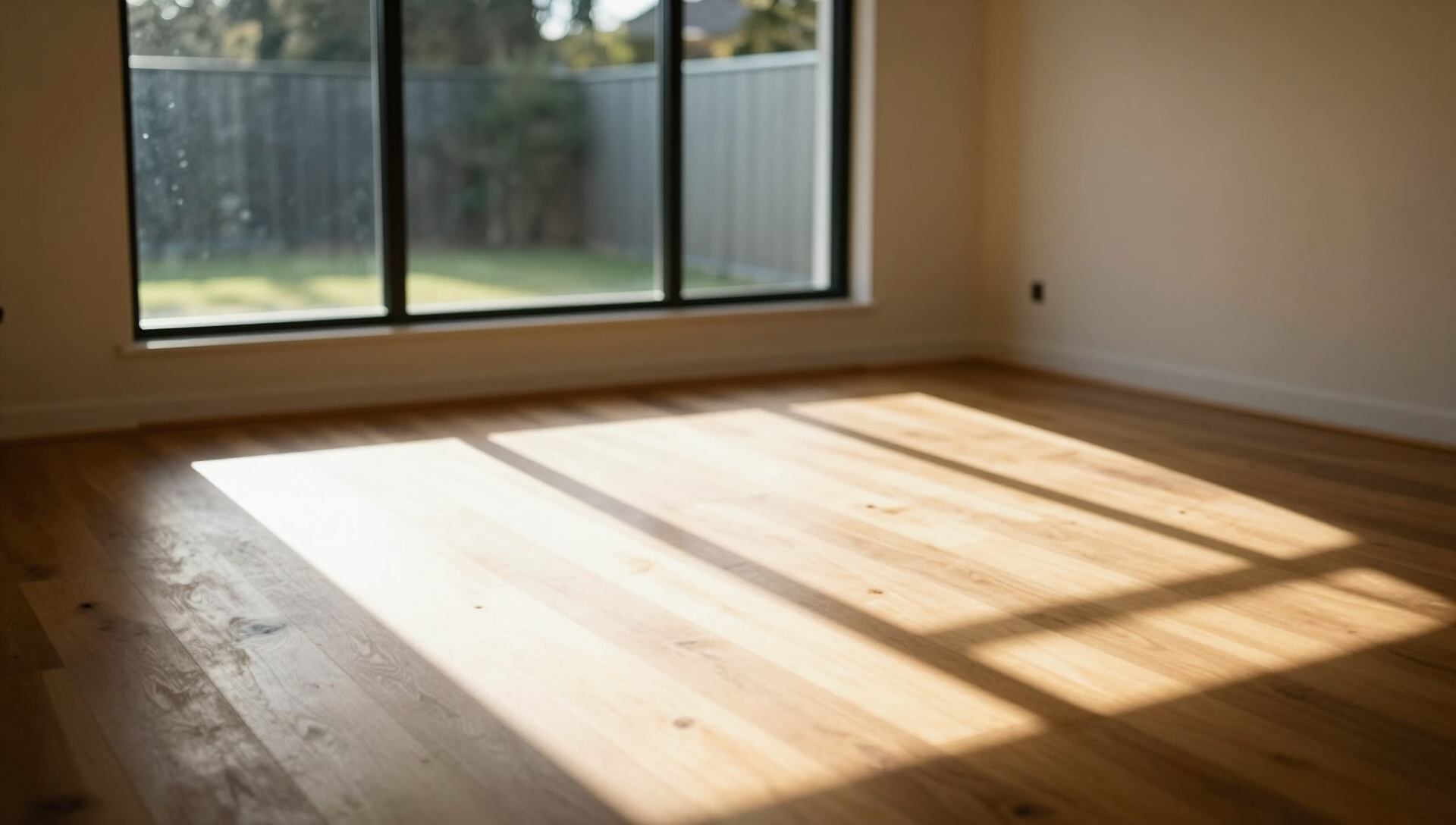
Homes in Don Valley often sit on stumps with exposed subfloors, leaving floorboards cold and letting draughts in. Underfloor insulation fixes this by adding a thermal layer beneath the floor, improving comfort and reducing energy use.
Insulation between the joists stops cold air rising through the floorboards, so your feet stay warm and your heating works more effectively.
Sealing the subfloor with insulation and gap filling cuts the cold draughts that make rooms feel chilly even when the heater is on.
Less heat escapes through the floor, so your heater runs for shorter cycles and uses less energy to maintain a comfortable temperature.
The same barrier that keeps warmth in during winter also blocks heat from rising up through the floor in summer.
Bulk insulation absorbs sound, reducing noise transfer between floors and from outside under the house.
Properly installed underfloor insulation with a vapour barrier helps manage condensation and moisture in the subfloor, preventing damp and mould.
Installing underfloor insulation requires access to the subfloor, which is usually through a hatch or by lifting sections of floorboard. The job is straightforward if there is enough crawl space and no obstructions.
We first check the subfloor for access, clearance and any existing insulation. If old batts are compressed, wet or damaged, they need to be removed before new insulation goes in.
Clear debris, dust and any loose material from between the joists. We also check for exposed wiring or plumbing that needs protection before fitting insulation.
Batts are cut to size and friction-fitted between the floor joists, ensuring full coverage with no gaps. Reflective foil is stapled to the underside of the joists with an air gap for radiant heat reflection.
We seal any remaining gaps around pipes, cables and the edges of the subfloor to stop draughts. The access hatch is reinstated and the area is left clean.
Don Valley’s cooler climate and older homes on stumps make underfloor insulation a smart upgrade. Many houses in the area have suspended timber floors with little or no insulation, leading to cold floors and higher heating bills. Adding insulation beneath the floorboards improves thermal performance and comfort without major renovations.
Stop cold floors and draughts in Don Valley with underfloor insulation installed between your floor joists.
Homeowners in Don Valley often ask about access, R-values and whether underfloor insulation is worth it for older homes. Here are the key details.
Underfloor insulation in Don Valley targets the cold floors and draughts common in homes built on stumps. By fitting batts or reflective foil between the floor joists in the subfloor, you create a thermal barrier that stops heat loss in winter and heat gain in summer. This is especially effective in Don Valley’s cooler climate, where uninsulated floors can make rooms feel cold even when the heater is running.
The process starts with an inspection of the subfloor to check access, clearance and the condition of any existing insulation. Old, compressed or damaged batts are removed before new material is installed. Batts are friction-fitted between the joists, while reflective foil is stapled with an air gap for radiant heat control. Typical R-values for underfloor insulation range from R1.5 to R2.5, depending on the product and the space available.
Costs vary based on the size of the subfloor, access difficulty, the type of insulation chosen and whether old material needs removal. Homes with limited crawl space or obstructions like low joists or exposed wiring may require additional preparation. The result is warmer floors, fewer draughts and lower heating costs, making underfloor insulation a practical upgrade for Don Valley properties.
Call Expert Insulation Melbourne on 0399695249 or email info@expertinsulationmelbourne. com. au to discuss underfloor insulation for your Don Valley home.